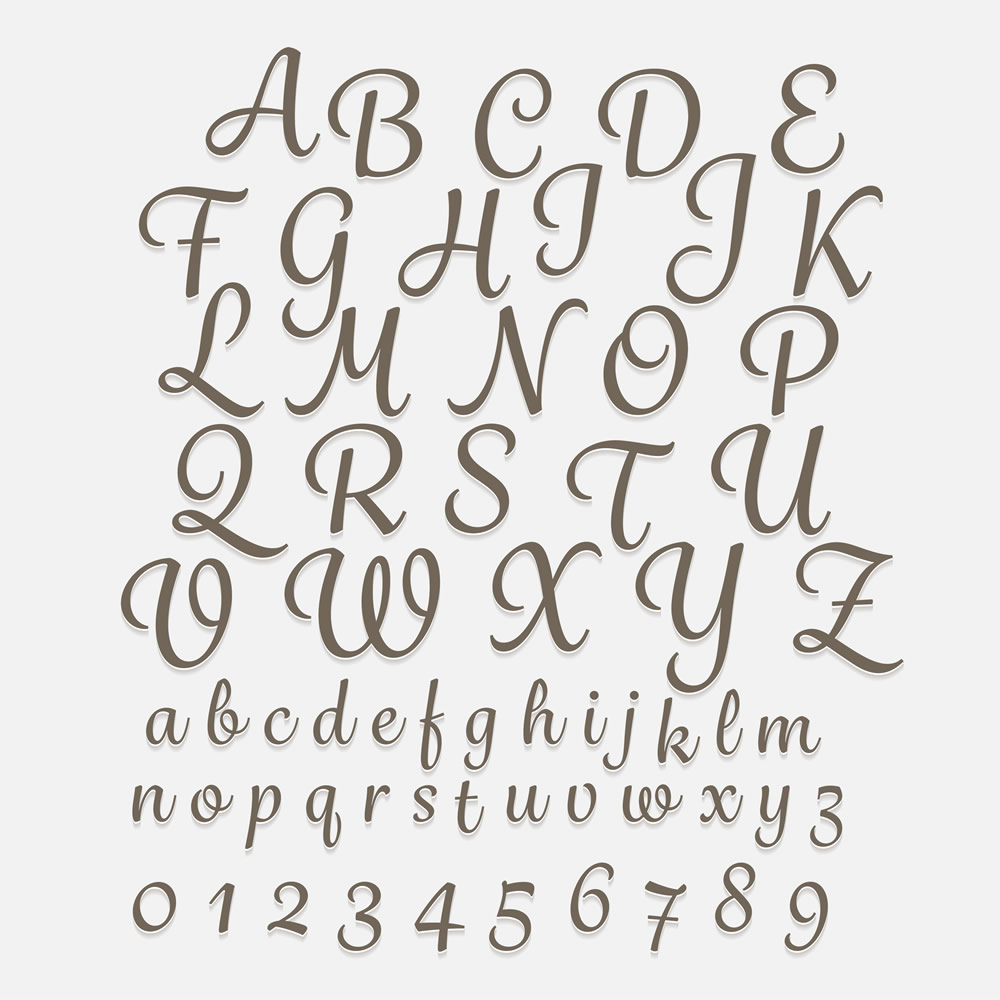
Poor typography is one of the most common reasons Irish business websites lose credibility before a visitor reads a single word. Fonts that are too small, inconsistent sizing across pages, or poor contrast between text and background all signal unprofessionalism — and potential customers notice, even if they cannot articulate why.
Typography decisions affect whether visitors stay on your site long enough to enquire, whether your content ranks well in search, and whether your website meets the legal accessibility standards that apply to Irish businesses. Getting these decisions right requires understanding how type works across devices, browsers, and user needs.
What Typography Hierarchy Principles Create Effective Communication?
Visual hierarchy guides readers through your content systematically, ensuring critical information receives appropriate emphasis. Establish clear size relationships between headlines, subheadings, and body text that remain consistent throughout your website.
Effective hierarchy reduces cognitive load by making content structure immediately apparent. Visitors can quickly scan for relevant information and dive deeper into sections that interest them.
Consider how hierarchy translates across devices, particularly mobile, where screen space constraints require careful consideration of relative sizing and spacing relationships.
How Do You Optimise Typography for Multiple Device Types?
Modern websites must deliver consistent experiences across desktops, tablets, and smartphones. Typography that works well on large monitors might become illegible on mobile devices without proper scaling and spacing adjustments.
Responsive typography involves more than simply resizing text. Line length, spacing, and interaction targets all require consideration to ensure usability across device types. Touch interfaces particularly demand larger target sizes for interactive elements.
Performance considerations matter significantly on mobile connections. Heavy custom fonts can slow page loading times, negatively affecting user experience and search rankings.
What Readability Standards Ensure Accessibility?
Web Content Accessibility Guidelines provide specific requirements for text contrast, sizing, and spacing that ensure your content serves all users effectively. These standards benefit everyone, not just those with accessibility needs.
Contrast ratios between text and background colours must meet minimum thresholds to ensure readability in various lighting conditions and for users with different visual capabilities. Automated tools can verify whether your colour combinations meet these standards.
Line length and spacing affect reading comprehension for all users. Overly long lines make it difficult to track from the end of one line to the beginning of the next, while cramped spacing reduces reading speed and comprehension.
How Do You Maintain Consistency Across Large Websites?
A systematic approach to typography prevents inconsistencies that damage professional appearance. Document your typography rules, including specific fonts, sizes, colours, and spacing values, to ensure consistent implementation.
Style guides become particularly important when multiple people contribute content to your website. Clear guidelines prevent typography variations that can make your site appear unpolished or unprofessional.
Content management systems and modern web development frameworks often include typography systems that automate consistency once proper rules are established.
What Performance Considerations Affect Typography Choices?
Font loading strategies significantly impact website performance. Web fonts must download before text displays correctly, potentially creating loading delays that frustrate visitors and hurt search rankings.
Font subsetting and modern loading techniques can minimise performance impacts while maintaining design flexibility. Many high-performance websites use system font stacks as fallbacks to ensure immediate text rendering.
The number of font variants affects loading times. Using multiple weights and styles from the same font family requires additional downloads that can slow your website.
How Do You Test Typography Effectiveness?
User testing reveals typography problems that aren’t apparent during design phases. Observe how real users interact with your content to identify areas where typography helps or hinders task completion.
Analytics data can indicate typography problems through metrics like time on page, bounce rates, and conversion rates. Significant improvements in these metrics often follow typography optimisation.
A/B testing different typography approaches provides quantitative data about which choices best support your business objectives. Test one variable at a time to isolate the impact of specific changes.
What Legal and Compliance Considerations Apply?
GDPR requirements affect how you can use web fonts that connect to external services. Some font delivery methods may transfer user data to third parties, requiring disclosure in privacy policies.
Irish businesses serving government contracts or certain regulated industries may need to meet specific accessibility standards that include typography requirements.
Font licensing agreements vary significantly. Ensure your chosen fonts include appropriate licenses for commercial website use, particularly if you’re using custom or premium typefaces.
Frequently Asked Questions
What’s the most essential typography decision for business websites? Choosing highly readable fonts for body text has the most significant impact on user experience. Everything else is secondary to ensuring visitors can easily consume your content across all devices.
Should businesses invest in custom font licensing? Most businesses achieve better results focusing on content quality and website functionality rather than custom typography. Standard web fonts offer excellent performance and reliability.
How does typography affect search engine optimisation? Typography influences user experience metrics that search engines consider when ranking websites. Sites with typography that encourages engagement tend to perform better in search results.
What typography mistakes damage business credibility the most? Using fonts that are difficult to read, inconsistent sizing throughout the website, and poor contrast between text and backgrounds are the most damaging typography mistakes for business websites.
How often should businesses update their website typography? Typography should remain consistent for several years to build brand recognition. Update typography only when redesigning your entire website or when current choices create significant usability problems.
Essential Resources for Typography Implementation
The Web Content Accessibility Guidelines provide the legal and technical standards for text contrast, sizing, and spacing that Irish business websites must meet.
Google Fonts offers an extensive library of free, performance-optimised typefaces with full technical documentation for implementation.
Can I Use provides current browser support data for CSS typography features, helping you confirm which techniques work reliably across the devices your Irish customers use.
Implementing an Effective Typography Strategy
Successful typography supports your business objectives through clear communication and professional presentation. Focus on readability and consistency rather than pursuing trendy design elements that may not serve your audience effectively.
Work with experienced web designers who understand both aesthetic principles and technical implementation requirements. Typography involves complex interactions between design, performance, and accessibility that benefit from professional expertise.
Plan typography decisions as part of your overall brand strategy rather than treating them as minor design details. Effective typography contributes significantly to user experience and business results.
[Updated: March 2026]